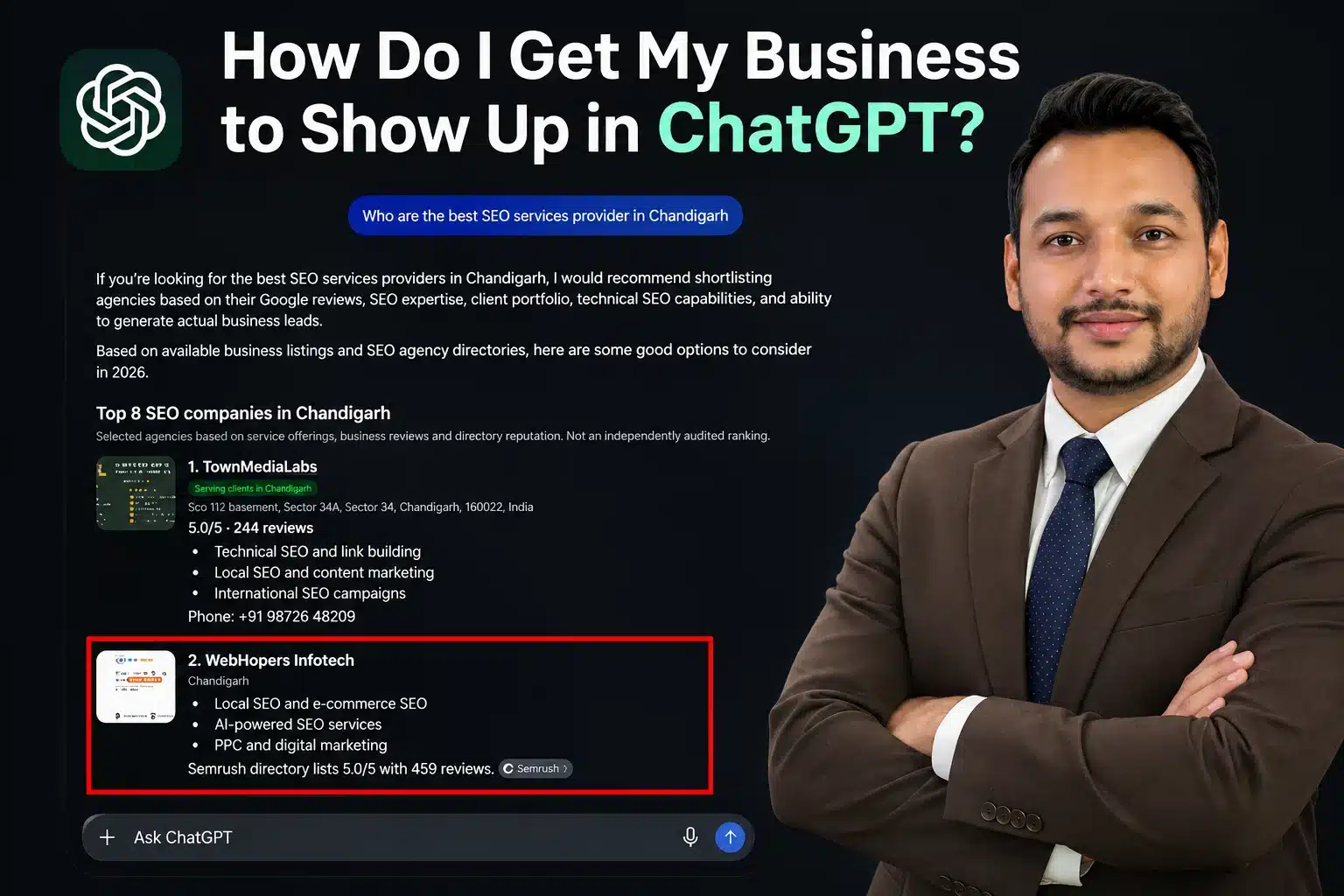
ChatGPT is no longer just a tool; it has become a new Doraemon for people. They tell ChatGPT their problems, find answers, compare products, discover services & make smarter buying decisions. Today, more customers are using AI for recommendations, and business owners want to know, “How do I get my business to show up in ChatGPT?”
First of all, getting a mention on ChatGPT is not one-day magic, it requires consistent effort and the right optimization techniques. With efforts like brand building, user-focused content & technical optimization, AI gets signs that your website deserves to appear.
“ChatGPT is changing the search game, with 1.2 billion users every week“
If you also want to know how ChatGPT SEO & GEO works, then keep reading this blog. We are going to cover everything from practical ways to mistakes to avoid when mentioned in ChatGPT responses.

When we see any business mentioned in ChatGPT, we always wonder why only this business, not any other. So, ChatGPT never recommends businesses randomly. Some important factors like website content, brand visibility & the context of the user’s questions that tells ChatGPT- “this business has relevant content for users.”
Before effective ways, we will see some major factors that ChatGPT use to recommend businesses:
You need to follow some practical ways to get your business to show up in ChatGPT, such as:
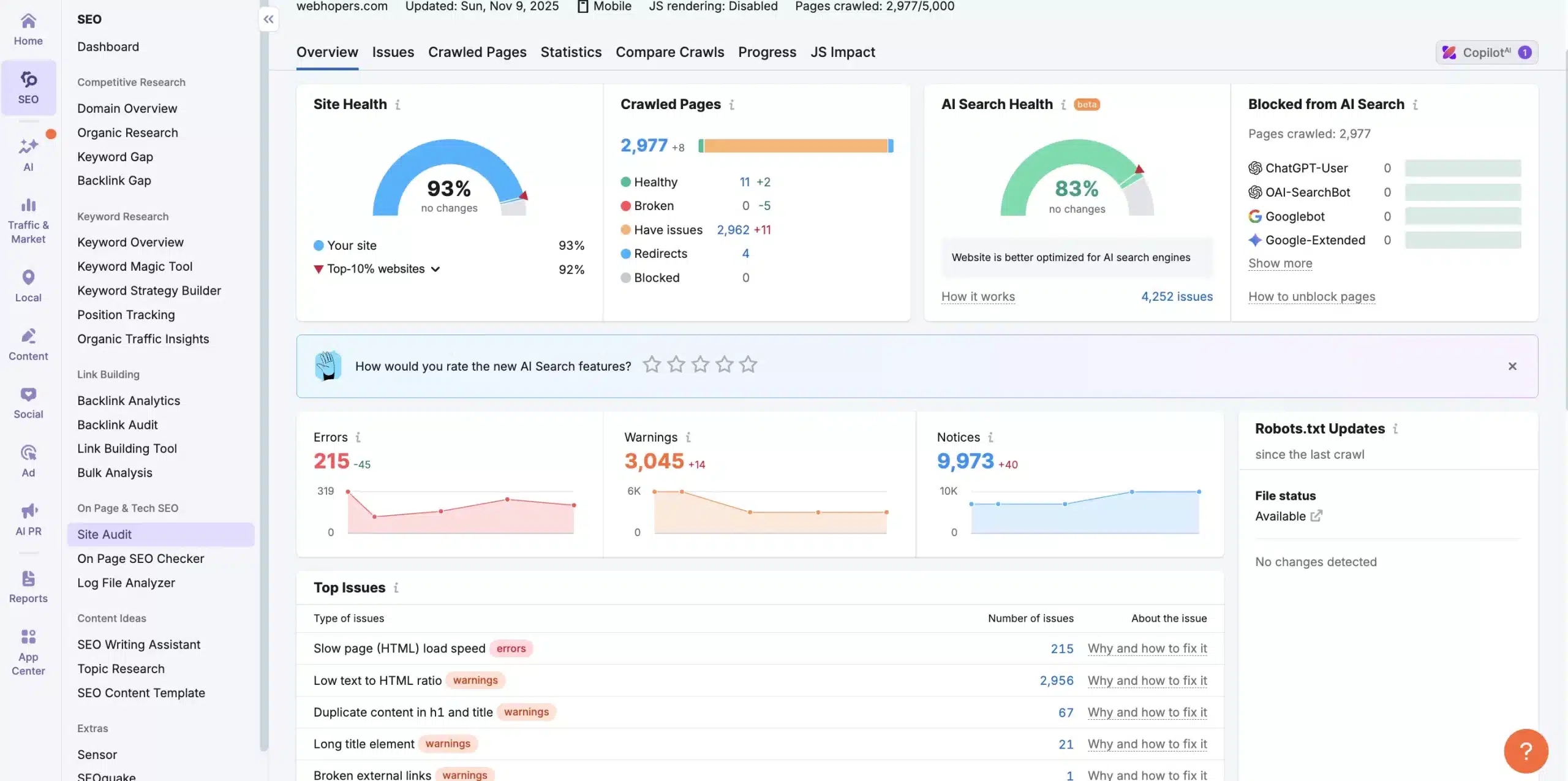
Firstly, we’ll start with one of the most overlooked steps: checking if ChatGPT can search crawlers can access your website or not. For this, you need to check your robots.txt file. Sometimes, you unintentionally block OpenAI’s OAI-SearchBot, which is the search crawler of ChatGPT.
Forget generic content that every website carries. Try to write something that connects your business with users. Add examples, relevant details, stats and other helpful information. When you write content, always think about what the user wants from this website page and what information really needs to be added to the website.
When you work on AI visibility, you can’t ignore traditional SEO. Always keep your website’s SEO foundation strong and well optimized. For ChatGPT recommendations, your website must have proper structure, so when search engines crawl your website, they make a better impression. On your website, you must create separate pages for important products and services.
It should not happen that you mention 4 years of experience in one place while another place shows 7+ years of experience. That creates a bad impression among AI bots. Always keep your business information consistent everywhere. Along with this, make sure your business name, address, contact details and company description are updated.
If your business is also local, then it is a must to optimize your Google Business Profile. You can add business category, services, address, contact details, working hours, photos and a website link. With this, ChatGPT recommendations are not guaranteed, but yes, it helps strengthen your local presence and brand mentions that ChatGPT uses to shortlist businesses.
You write you are the best on your website is not enough. You need to list your business on trustworthy platforms where potential customers discover your business. Here, we are sharing some examples like Clutch, G2, JustDial, IndiaMart & more. You should choose platforms as per your industry. Also, while getting listed on those platforms, make sure all your business information is accurate.
When you create a content strategy for your website, always think about how people actually use ChatGPT. On AI-powered platforms, people don’t ask short questions; they usually ask complete questions, explain problems and expect practical recommendations. In your content strategy, add natural topics to ask, comparison guides & informational blogs.

As we are ChatGPT SEO & GEO experts, we are recommending some of the most useful tips that you can add to your regular practice for recommending on ChatGPT:
Let’s have a look at the features of a ChatGPT-recommended website:

As we have discussed, what should you do to get your business mentioned on ChatGPT? But there are some important things that you should never do. Let’s see:
First of all, there is no fixed time. Some businesses start noticing mentions earlier, while some may need more time. It totally depends on how fast ChatGPT search crawlers crawl your website and how you follow best practices.
ChatGPT SEO & GEO are two different concepts. Like ChatGPT, SEO refers to SEO activities that improve business visibility in ChatGPT. On the other hand, GEO (Generative Engine Optimization) is a broad approach that mainly focuses on improving brand visibility on Large Language Models like ChatGPT, Gemini, Perplexity & more.
Absolutely! You don’t need to make your business big for ChatGPT recommendations. By following expert tips & practical ways, you can easily get your business to show up in ChatGPT.
Yes, new businesses can also show up on ChatGPT. But for that, you need to give your website a strong foundation. As your website is new, make sure important pages are accessible, explain your products & services clearly, and start building brand presence.
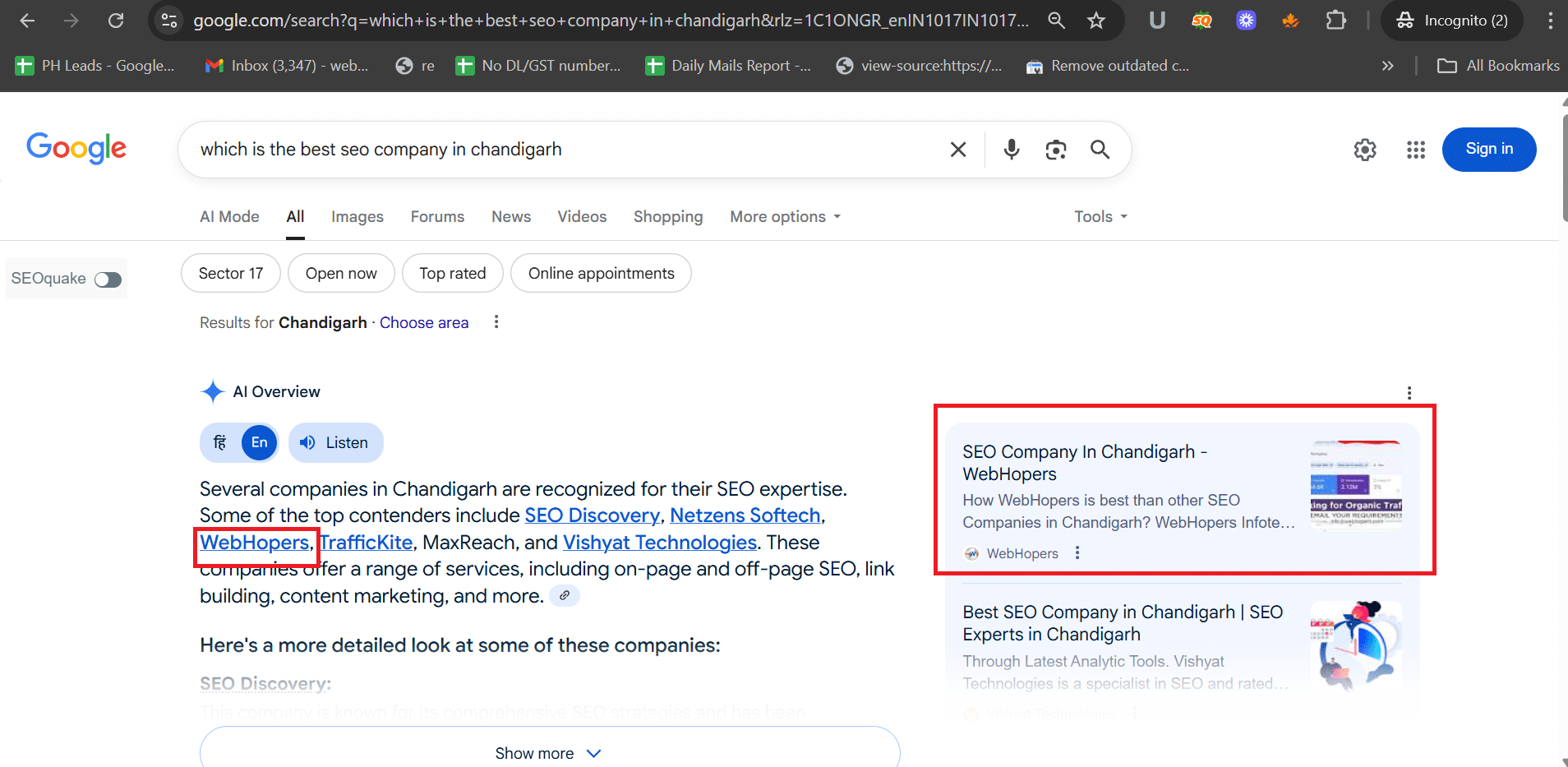
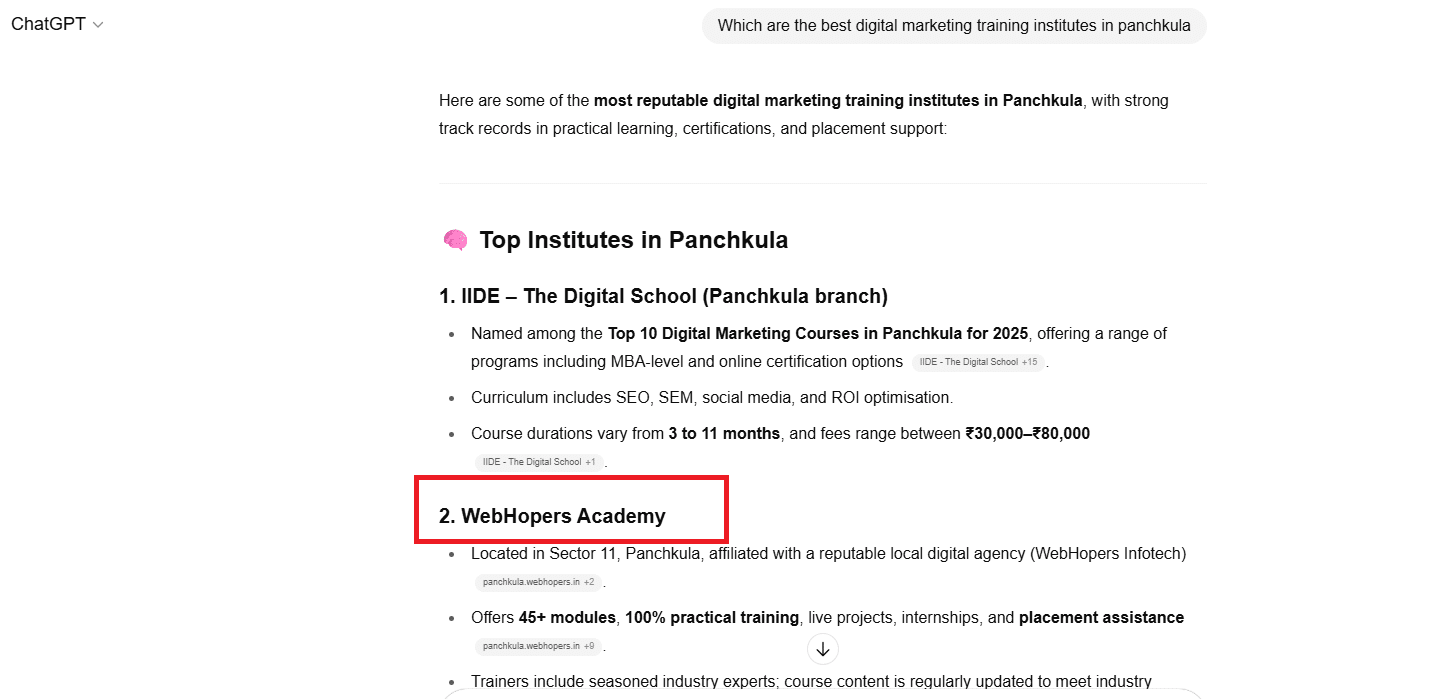
The simplest way to know whether ChatGPT is mentioning your business or not is to write the primary keyword as a question in ChatGPT. For example, if you run a real estate company in Chandigarh. Ask ChatGPT, “Which is the best real estate company in Chandigarh?” or another relevant keyword. You’ll know.
Yes, but a social media profile can’t guarantee to show up in ChatGPT. You need to combine multiple steps like useful content, website structure, brand mentions and more.
If you know SEO, you can handle the basics. But when it comes to managing multiple concepts like technical SEO, website structure, digital PR, content creation & more things, it can become challenging. It would be better to hire a ChatGPT SEO expert or an agency.
No, paid ads don’t guarantee a mention on ChatGPT. But yes, if you want to use ads, then you can run ChatGPT ads, as it is the latest feature.
You can include blog topics like informational, comparison blogs, how-to guides, best-of lists, and case studies.